
How Arrest Warrants Work in Barnwell County
A summary-court arrest warrant in South Carolina begins with sworn facts and a judge's probable-cause review. The bench book puts it plainly: the warrant must be written and signed, and it doubles as the charging paper in a magistrate or municipal criminal case. A police officer or another authorized affiant can present the story. The judge, never the affiant, is the one who issues the process. When a charge tops what a summary court can handle, bond and preliminary-hearing steps may come first, and the file then moves to General Sessions. A single Barnwell County case can therefore pass through a municipal judge, a magistrate, the Clerk, and the agency serving the warrant at different stages.
Barnwell Summary Court Warrant Process
Under S.C. Code §22-3-710, a summary-court criminal case begins on information under oath, and an arrest warrant may issue from it. Section 22-5-110 lays out a magistrate's authority and the limits on non-law-enforcement affiants, who may face a courtesy summons instead. The written order names a charge and the court route. Barnwell County publishes no sample form or warrant-number format. The South Carolina Summary Court Bench Book explains written process and charging papers.
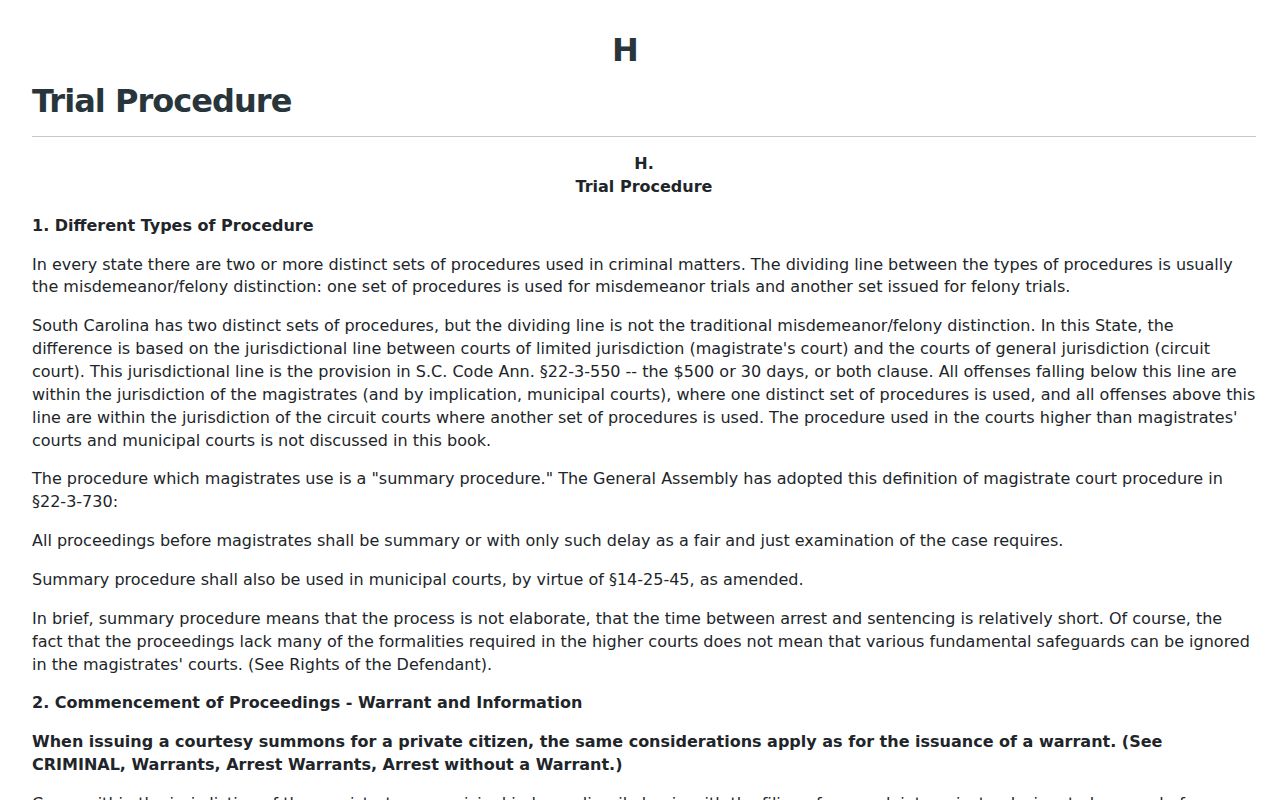
A citation, an ordinance summons, and an arrest warrant are three different papers. Ask the Barnwell County court which one sits in the file.
Arrest Warrants: What They Contain
A warrant record can tie together a case number, the issuing court and judge, the issue date, the charge, the sworn complaint or affidavit, bond terms, and service or return details. Some fields get withheld or redacted. Treat the format as an inventory, not a Barnwell County public sample. No local warrant prefix or status code exists.
| Case number | Underlying court identifier; the warrant-number format is not published. |
|---|---|
| Subject fields | Name or date of birth may be present; protected details can be withheld. |
| Charge / offense | Alleged offense and classification recorded by the court. |
| Issuing judge / court | Identifies the authority that signed the process. |
| Bond / bail | Amount and conditions if set; no Barnwell schedule was located. |
| Date issued | May differ from filing, service, or return date. |
Barnwell Clerk Receives Warrant Documents
When a summary-court charge belongs in the circuit system, Criminal Rule 3 makes magistrates and municipal judges send specified warrant and bond material to the General Sessions Clerk within the rule's time limits. The official Criminal Rule 3 describes that transmission. The Clerk of Court at 141 Main Street keeps the General Sessions files for Barnwell County. Filing there does not make every affidavit or service note public, though a Clerk's case entry can be one part of the record trail.
Call the Barnwell County Clerk at 803-541-1020 about General Sessions routing. If the court points you to service, ask the Sheriff next.
How Warrants Get Served in Barnwell County
Who serves a warrant depends on the issuing court and its jurisdiction. The Barnwell County Sheriff handles county law-enforcement process. Barnwell, Blackville, and Williston police may serve municipal papers, and magistrates' constables or other peace officers can also carry warrants. Family Court process follows its own service rule. A directory only proves an agency's contact information, not who holds a particular warrant today. After an arrest, custody and bond questions may lead to Barnwell County Bond Court at 599 Joey Zorn Boulevard or the Detention Center at 330 Calhoun Street. The county publishes no general warrant-intake window. So call first. Ask where to report, what ID to bring, and where the bond hearing happens.
Who May Serve a Barnwell Arrest Warrant
The Barnwell County Sheriff can confirm county routing at 803-541-1052. Barnwell Police sits at 105 Burr Street. Blackville Police is listed at 5997 Lartigue Street, 803-287-3444; Williston Police at 12710 Main Street, 803-266-7011. These are public agency contacts, not warrant desks. The county Detention Center page gives custody contact and location details.
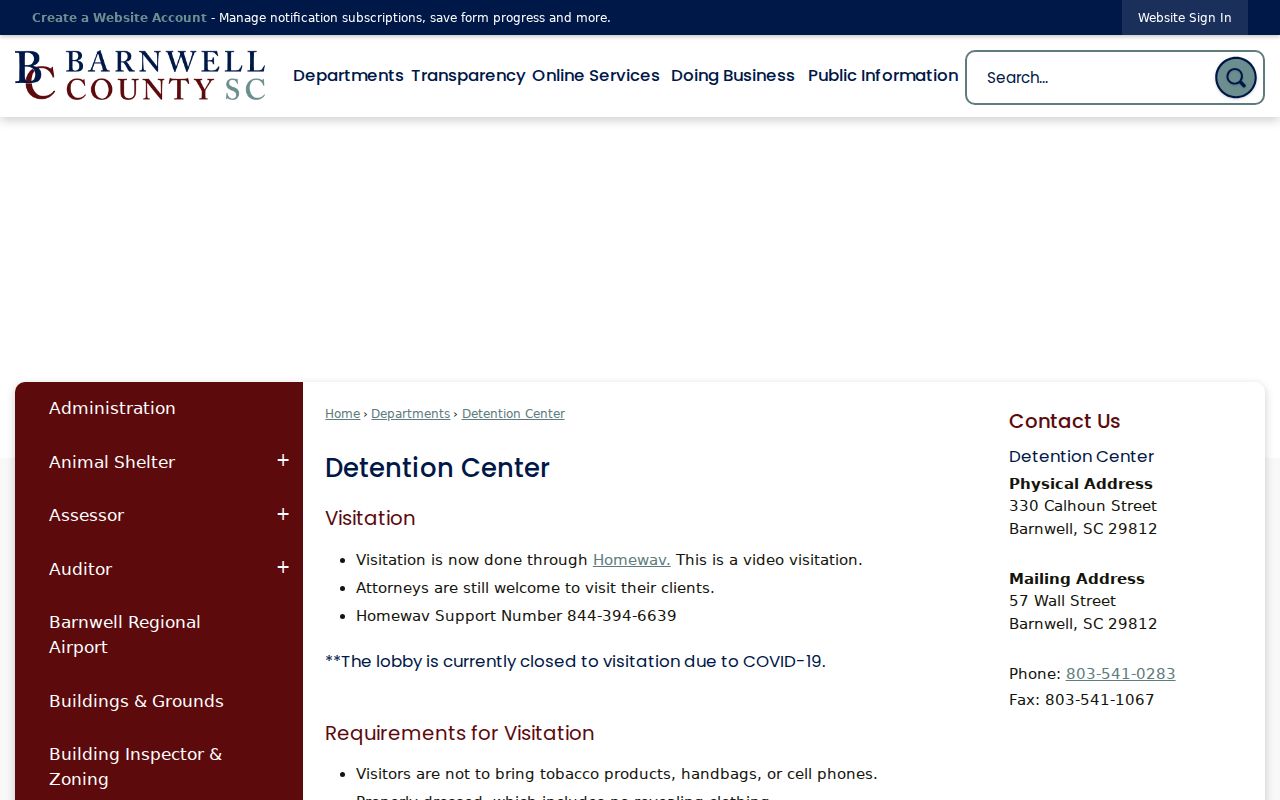
Its visitor restrictions do not establish bond-window or surrender hours; confirm those by phone.
Arrest Warrants, Summonses, and Bench Warrants
A warrant is not the only paper that moves a case. A summons orders an appearance. A bench warrant follows a missed one, while an arrest warrant rests on a sworn charge and probable-cause review. In Barnwell County, the court named on the paper tells you which office controls the next step.
| Feature | Arrest Warrant | Summons | Bench Warrant |
|---|---|---|---|
| What it orders | Arrest under written court process | Appear at a stated time | Arrest or appearance action for a court-process problem |
| Basis | Sworn accusation and probable cause | Notice of a charge or required appearance | Failure to appear or comply |
| Who issues it | Authorized judge or magistrate | Court process under applicable rules | Judge handling the case |
| How to respond | Confirm status, counsel, surrender, and bond | Attend on the listed date | Ask issuing court about recall or a new setting |
Family Warrants Follow a Separate Barnwell Route
Family Court warrants skip the ordinary municipal traffic path. Title 63 lets Family Court issue process for service, safety, compliance, and failure-to-appear matters. A peace officer or a probation counselor may serve a family warrant under the statute. Juvenile records carry their own confidentiality rules. For a family-file question, the Clerk at 141 Main Street can route you. The official Family Court warrant statute sets the service and issuance framework.
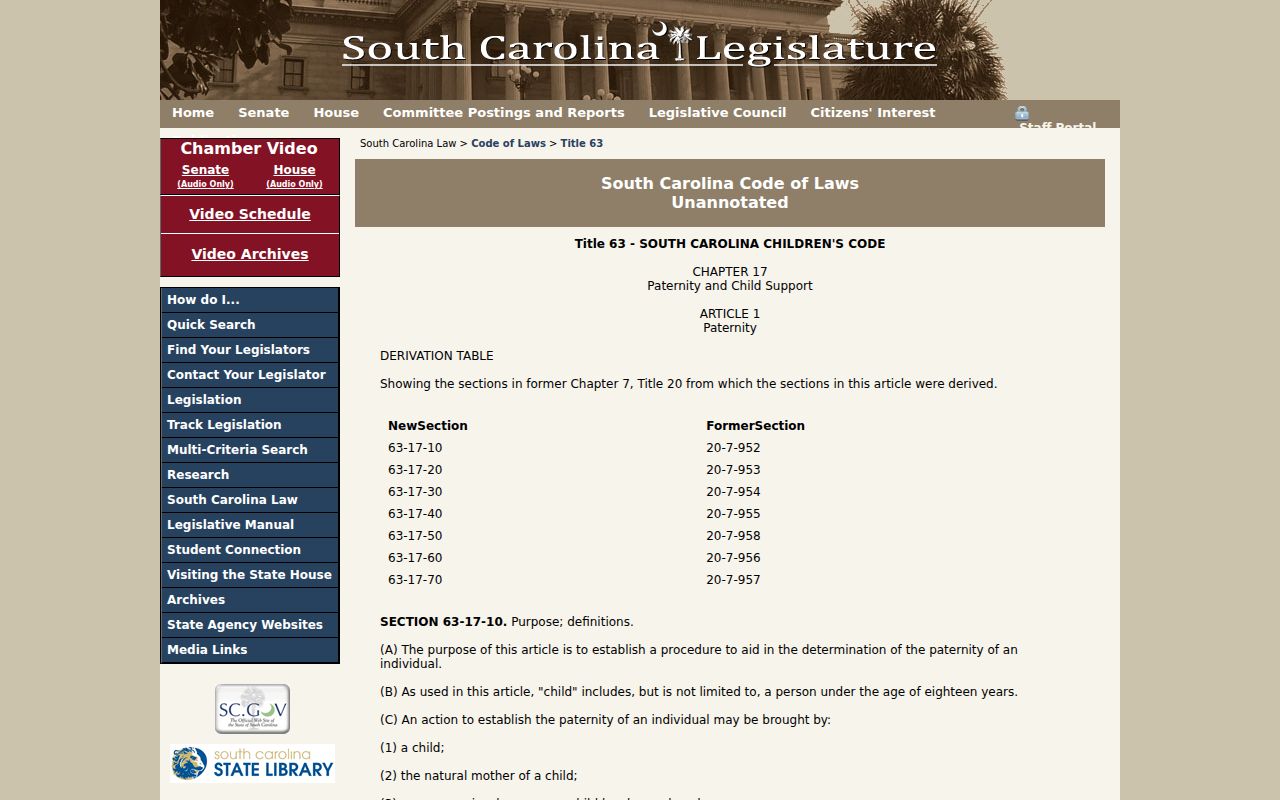
Ask the Barnwell County Clerk what can lawfully be disclosed. A public criminal search does not cover a family or juvenile file.
Barnwell Bond Does Not Close a Warrant
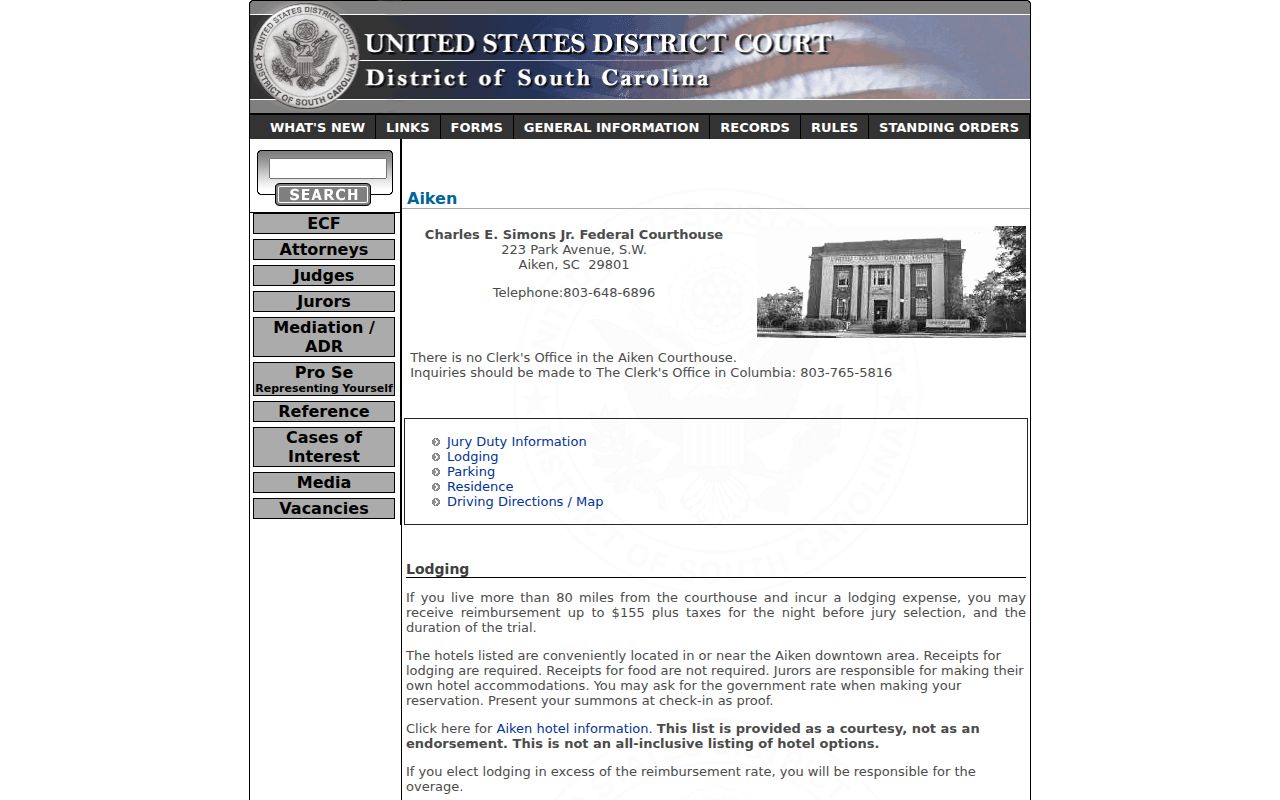
Posting bond is a release condition, not a dismissal. It does not close a Barnwell County warrant case. The court decides between cash, surety, personal-recognizance, or hold conditions case by case, and Barnwell County publishes no bond schedule or online payment portal. Before you pay, ask which office accepts the bond and what proof you get. Ask whether a later court date still stands. The Detention Center's visitor rules are not bond instructions. Federal matters run differently: Barnwell County sits in the District of South Carolina's Aiken jury area, and a federal warrant is not a county warrant. Counsel, the federal Clerk, or the U.S. Marshals route is different, and the District of South Carolina Aiken court page lists federal courthouse information.
Federal dockets are reached through PACER, which sets its own user fees and exceptions. PACER's fee explanation describes the charges for federal record access, a separate track from any Barnwell County state case.
A state case portal is no substitute for the federal docket or the federal warrant process, so Barnwell County residents with federal matters must use the federal route.
Handling an Arrest Warrant in Your Name
Before you appear, confirm the issuing court, the warrant's current status, the serving agency, and bond instructions. Ask whether counsel can arrange a surrender or file a motion to recall or quash. If the court directs you to detention, verify the Barnwell County address, hours, identification rules, security screening, and release route first. Keep your order or receipt, and ask when the court and Sheriff systems update. A recall or bond does not end the underlying charge.
Important: Talk with an attorney and the issuing court before surrender; no Barnwell source publishes a general walk-in window, bond amount, or payment method.